Mental Health in England: Why Access to Therapy Matters More Than Ever | Effusion Therapy
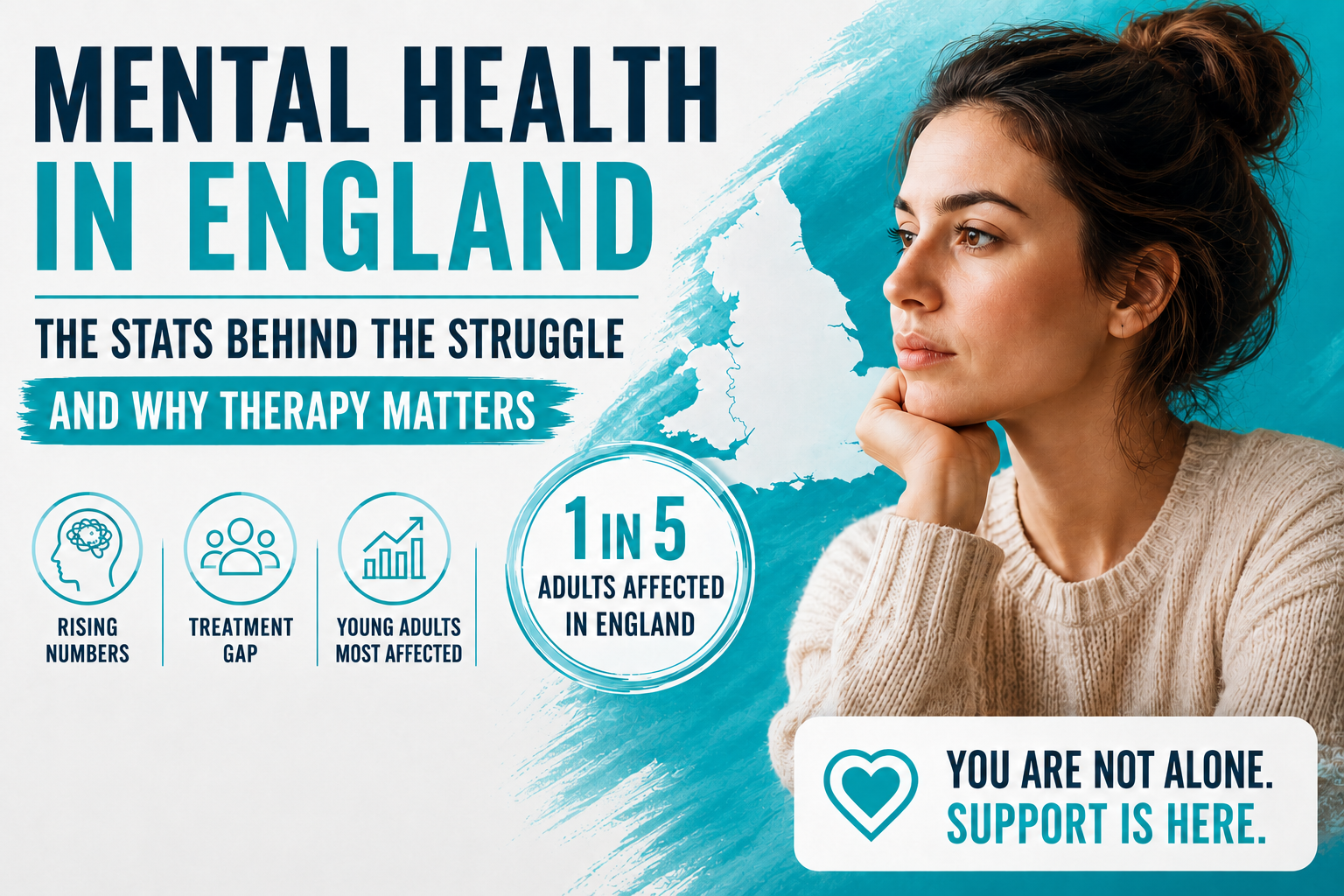
Mental health has become one of the most significant health challenges facing society today. Across England, increasing numbers of people are experiencing anxiety, depression, stress, and other common mental health conditions. While awareness has improved considerably over recent years, access to timely support remains a major concern.
At Effusion Therapy, we understand that reaching out for help can feel daunting. However, understanding the scale of mental health challenges can help normalise these experiences and encourage individuals to seek the support they need.
Mental Health Conditions Are More Common Than Many People Realise
Recent figures highlight just how widespread mental health challenges have become throughout England.
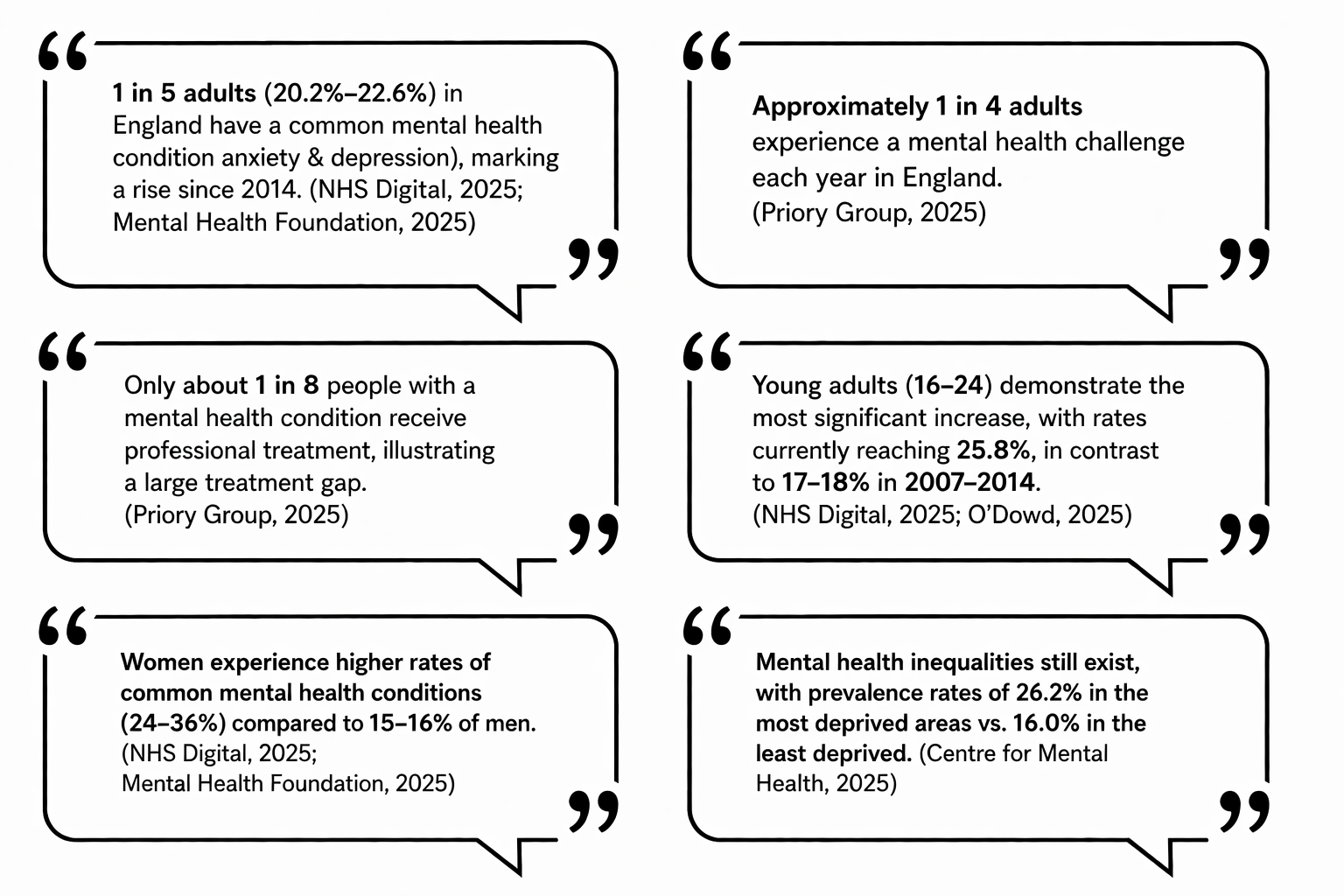
According to NHS Digital and the Mental Health Foundation, approximately 1 in 5 adults in England (20.2%–22.6%) currently experience a common mental health condition, such as anxiety or depression. This represents a significant increase compared to figures recorded in 2014.
These statistics demonstrate that mental health difficulties are not unusual or isolated experiences. Whether caused by work pressures, relationship difficulties, bereavement, financial concerns, trauma, or everyday stress, many people will experience periods where their emotional wellbeing is affected.
Recognising when you are struggling and seeking support early can make a substantial difference to recovery and long-term wellbeing.
Around One in Four Adults Experience Mental Health Challenges Every Year
Research from Priory Group suggests that approximately one in four adults experience a mental health challenge each year in England.
This figure reinforces the reality that mental health difficulties can affect anyone, regardless of age, occupation, background, or lifestyle. Many individuals who appear to be coping outwardly may still be experiencing significant internal struggles.
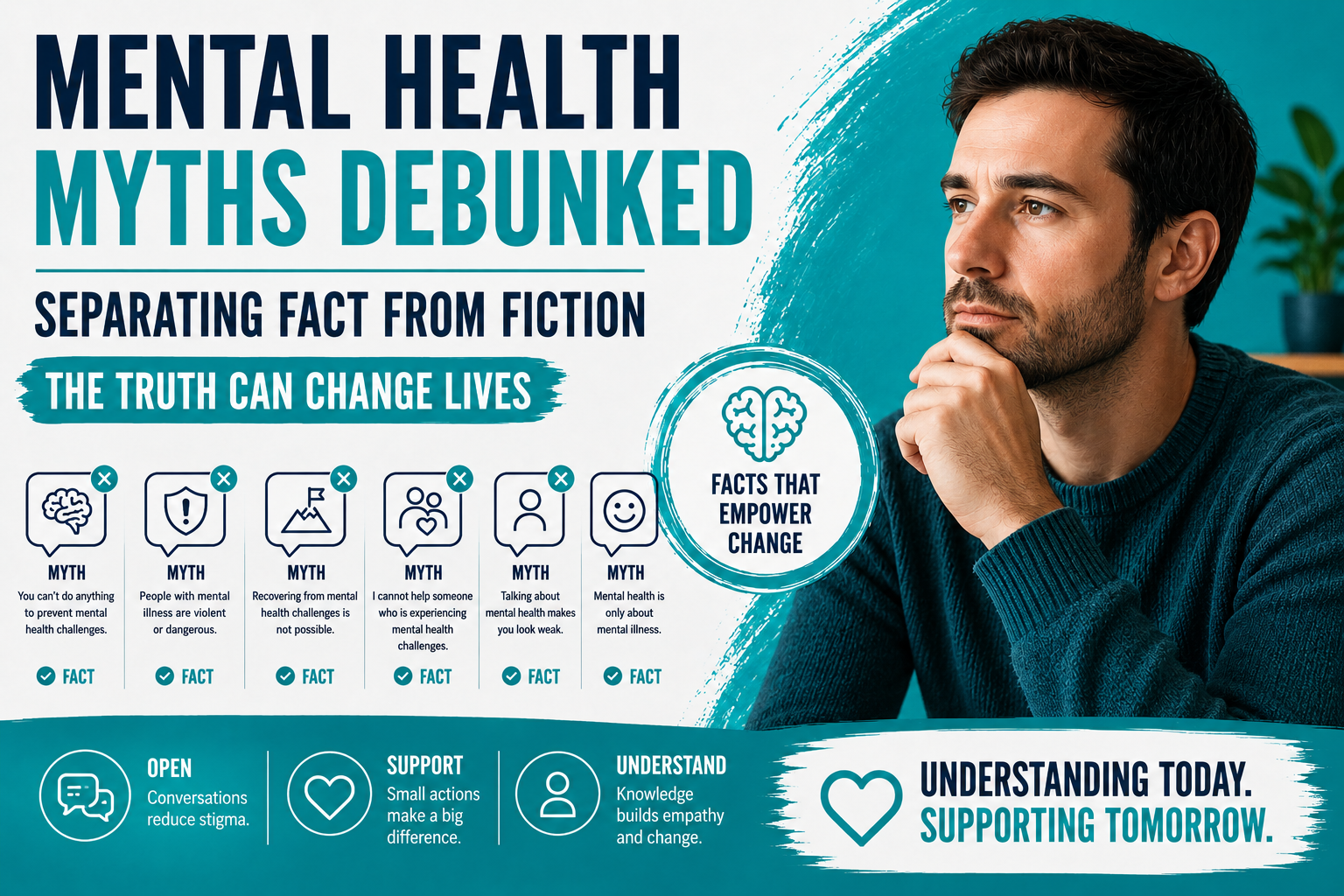
Despite growing public awareness, stigma surrounding mental health still exists. Some people worry about being judged or fear that seeking help may be perceived as a sign of weakness.
In reality, asking for support demonstrates strength, self-awareness, and a commitment to personal wellbeing.
The Gap Between Need and Treatment Remains Significant
Perhaps one of the most concerning statistics is that only around 1 in 8 people experiencing a mental health condition receive professional treatment.
This highlights a considerable treatment gap across England. There are many reasons why individuals may not access therapy or support services, including:
- Concerns about stigma.
- Uncertainty about where to seek help.
- Long waiting lists within public services.
- Financial worries.
- Difficulty recognising symptoms.
- Feeling that their challenges are not "serious enough."
Unfortunately, delaying support can often allow symptoms to worsen over time.
Therapy offers a safe, confidential, and non-judgemental environment where individuals can explore their thoughts and emotions, gain insight into their experiences, and develop practical coping skill.
At Effusion Therapy, we believe that no concern is too small to discuss. Early intervention can often prevent difficulties from becoming overwhelming.
Young Adults Are Facing Increasing Mental Health Challenges
Mental health concerns are particularly affecting younger generations.
Recent data indicates that young adults aged 16–24 have experienced the largest increase in common mental health conditions, with prevalence rates now reaching approximately 25.8%, compared to around 17–18% between 2007 and 2014.
Several factors may contribute to this increase, including:
- Academic pressures.
- Social media influences.
- Economic uncertainty.
- Career-related stress.
- Loneliness and social isolation.
- Increased awareness and willingness to report symptoms.
Young adulthood often involves significant life transitions, making it a particularly vulnerable period for emotional wellbeing.
Therapy can provide younger individuals with valuable tools to manage stress, build resilience, improve self-esteem, and navigate life's challenges more confidently.
Mental Health Experiences Differ Across Demographics
Statistics also reveal important differences in how mental health affects various groups.
Women are reported to experience higher rates of common mental health conditions, with prevalence rates ranging from 24% to 36%, compared with 15% to 16% among men.
While women may report symptoms more readily, societal expectations can also create barriers for men seeking support. Traditional attitudes surrounding masculinity may discourage some men from discussing emotional difficulties openly.
At Effusion Therapy, we recognise that everyone's experiences are unique. Therapy is tailored to the individual, ensuring each person feels heard, understood, and supported in a way that reflects their personal circumstances.
Mental Health Inequalities Still Exist
Mental health outcomes are not evenly distributed across society.
Research from the Centre for Mental Health highlights significant inequalities, with prevalence rates reaching 26.2% in the most deprived areas compared to 16% in the least deprived areas.
Factors such as housing insecurity, financial hardship, employment instability, and reduced access to support services can all influence mental wellbeing.
These inequalities demonstrate the importance of accessible, compassionate therapeutic services that support individuals from all backgrounds.
Taking the First Step Towards Better Mental Health
Mental health challenges are increasingly common, but struggling does not mean you have to face difficulties alone.
Whether you are experiencing anxiety, low mood, stress, relationship difficulties, grief, or simply feeling overwhelmed, therapy can provide the space and support needed to move forward.
At Effusion Therapy, we offer a warm, confidential, and professional environment where you can explore your experiences at your own pace. Seeking support is not a sign of weakness, it is an investment in your wellbeing, relationships, and future.
If you are ready to begin your therapeutic journey, Effusion Therapy is here to help.